









This store requires javascript to be enabled for some features to work correctly.
Table linens have a long and fascinating history, transitioning from a practical necessity to a stylish element in dining.
Today, they enhance our dining experience and add elegance to any occasion. Let’s take a quick look at their journey through time.
Table linens first appeared in ancient Rome and Greece, where they were used to protect dining tables and add a sense of refinement. These early linens were simple, often made from animal hides or basic cloth.
By the Renaissance, table linens became a status symbol, especially among European royalty and nobility. Delicate fabrics like silk and velvet were used for tablecloths and napkins, and dining became an elaborate, formal affair.
With the Industrial Revolution, table linens became more accessible to the middle class. Personalized linens, often embroidered with initials or monograms, became popular, and homes across Europe and the Americas embraced the art of setting a beautiful table.
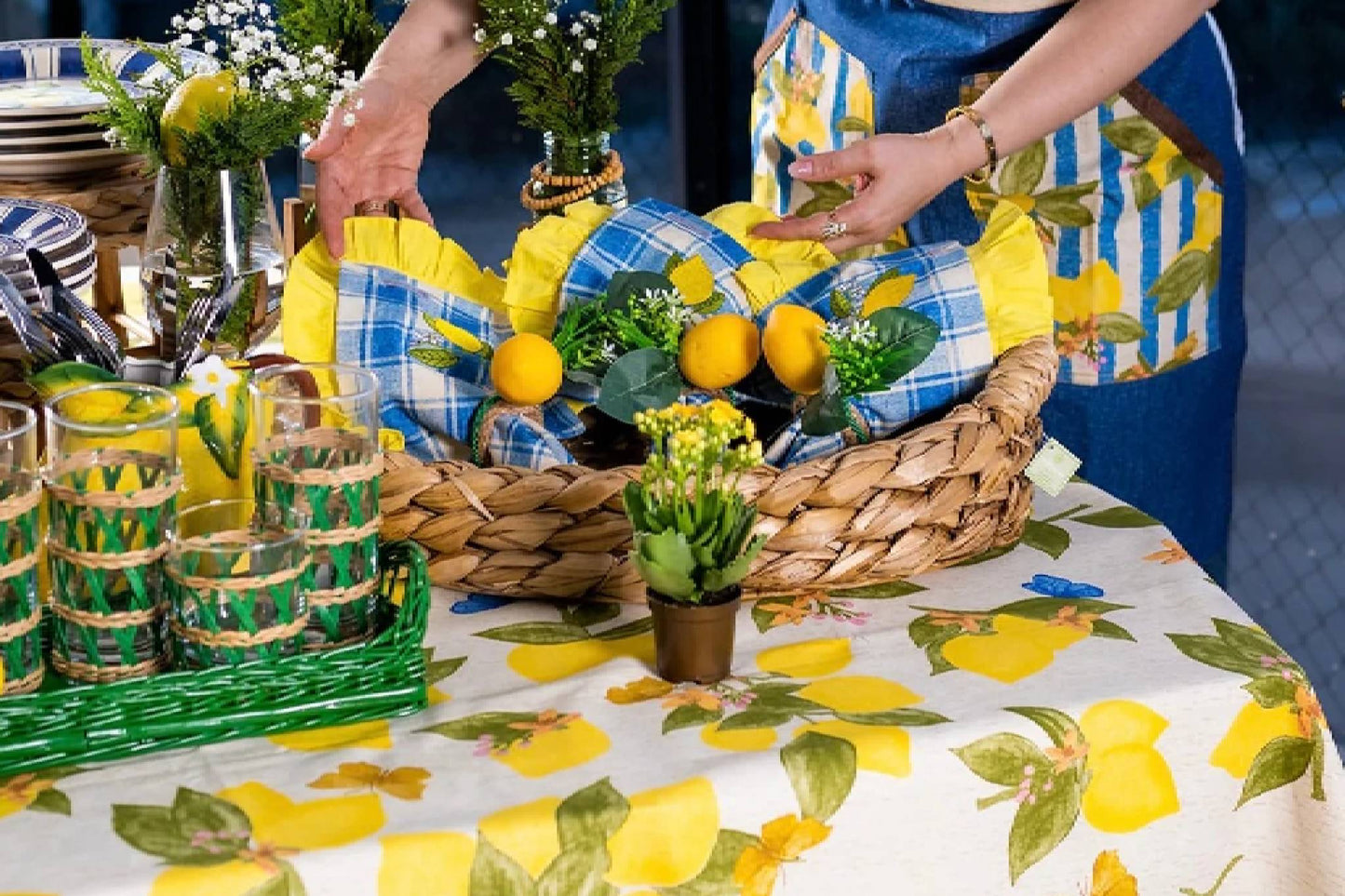
Today, table linens come in various styles, from casual cotton cloths to elegant linen napkins for special events. Modern table linens are beautiful and practical, with easy-to-maintain, eco-friendly options available.
Table linens continue to bring elegance to dining, whether a casual meal or a special celebration. They create a welcoming atmosphere and enhance the dining experience, just as they have for centuries.
Ready to elevate your dining table? Explore our collection of premium table linens and bring a touch of history to your home. Our linens offer timeless beauty and style from everyday meals to special occasions.
Please browse our selection today and find the perfect table linens for your next gathering!


Discuss how luxury and sustainability are no longer opposites, with brands embracing eco-friendly practices in tableware and home decor.


Highlight the impact of luxury home decor pieces in transforming ordinary spaces into extraordinary sanctuaries. Key Points: The role of...
Discuss how luxury and sustainability are no longer opposites, with brands embracing eco-friendly practices in tableware and home decor.
Highlight the impact of luxury home decor pieces in transforming ordinary spaces into extraordinary sanctuaries. Key Points: The role of...